
Last Updated: 5 months ago
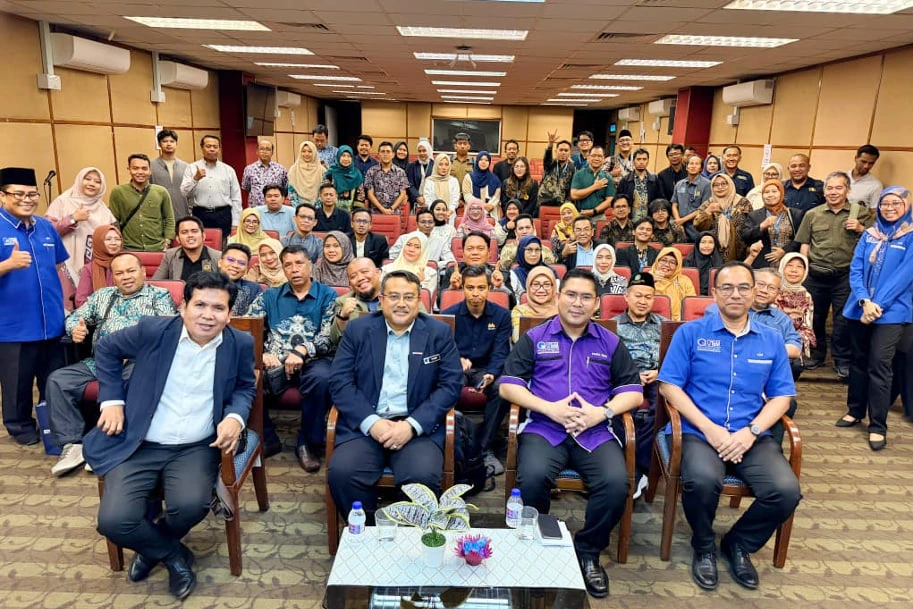
On Wednesday, January 29, 2026, the Faculty of Agriculture (FAPERTA) of Djuanda University (UNIDA) conducted an academic visit to two leading universities in Melaka, Malaysia, namely Universiti Teknologi MARA Melaka Branch (UiTM CM) and Universiti Teknikal Malaysia Melaka (UTeM). This activity aimed to strengthen international networks and open opportunities for cross-disciplinary research collaboration between agriculture and technology. This collaboration aligns with efforts to support the Sustainable Development Goals (SDGs), particularly SDG 2 (Zero Hunger), SDG 9 (Industry, Innovation, and Infrastructure), and SDG 12 (Responsible Consumption and Production).
The delegation was first welcomed at UiTM CM by Maizatul Saadiah Binti Mohamad from the Office of International Affairs. In her welcome remarks, she emphasized the importance of exchanging ideas between higher education institutions in Indonesia and Malaysia in addressing the challenges of modern agriculture, especially regarding technological innovation, resource management, and sustainability of food production systems. She expressed hope that this meeting would mark the beginning of sustainable collaboration, encompassing joint research, student exchanges, and scientific publications.
The visit then continued to UTeM and was received by Prof. Ts. Dr. Shahrin bin Sahib, Dean of the Faculty of Information and Communication Technology. He emphasized that technology-based universities play a strategic role in supporting agricultural transformation through the development of precision agriculture, agricultural automation, Internet of Things (IoT), and artificial intelligence (AI). The synergy between UTeM's technological innovation and Djuanda University's agricultural expertise is considered capable of producing real solutions for improving productivity and sustainability in the agricultural sector.
Discussions held at both campuses highlighted research collaboration opportunities as the main agenda. Several strategic topics were agreed upon for joint development, including the development of environmentally friendly agricultural technology to support sustainable production systems, utilization of sensors and IoT in land and crop monitoring, intelligent systems for data-based integrated pest management, and smart farming innovations to support regional food security.
As a follow-up, both parties agreed to immediately draft a Memorandum of Understanding (MoU) as the basis for cooperation covering joint research, faculty and student exchanges, and development of international publications.
Representatives of the Faculty of Agriculture at Djuanda University stated that this collaboration represents a strategic step in strengthening the role of higher education institutions in sustainable agricultural development aligned with the global SDGs agenda. Meanwhile, Dr. Abdullah Baharun, S.Pt., M.Si, who is the Dean of the Faculty of Agriculture at Djuanda University, affirmed that this international cooperation is a strategic step in strengthening the role of higher education as a center for sustainable agricultural innovation.
According to him, the synergy between agricultural science and technology not only encourages the emergence of applied research relevant to the needs of farmers and industry, but also serves as UNIDA Faculty of Agriculture's real contribution in supporting the achievement of SDGs, particularly in realizing food security, sustainable resource management, and improving community welfare.
The activity concluded with the signing of an initial commitment and exchange of souvenirs. It is hoped that this trilateral collaboration can provide real contributions to the development of agricultural technology, enhancement of food security, and achievement of sustainable development goals in the ASEAN region.