
Last Updated: 1 year ago
Berikut adalah terjemahan lengkap ke dalam bahasa Inggris:
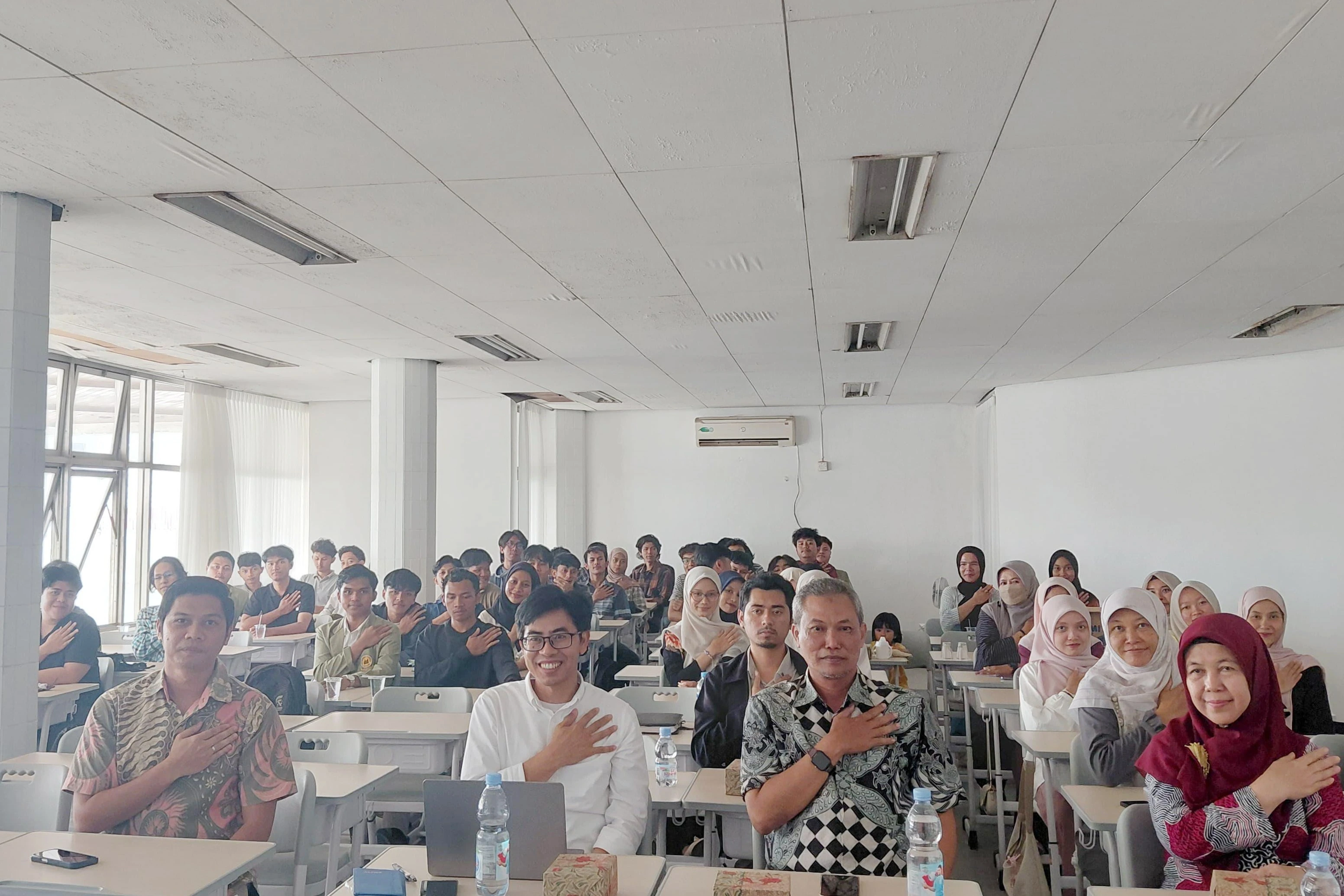
The Animal Husbandry Study Program, Faculty of Agriculture (FAPERTA), Universitas Djuanda (UNIDA), organized a Guest Lecture on the theme “Advancements in Animal Genetics to Support National Food Security,” held at FAPERTA Hall B.312, UNIDA Campus, Bogor. The event featured Prof. Dr. Agr. Asep Gunawan, S.Pt., M.Sc, a prominent professor in Animal Breeding and Genetics, and was attended by students of the Animal Husbandry program, faculty members, and structural leaders of FAPERTA UNIDA.
Dr. Abdullah Baharun, S.Pt., M.Si, Head of the Animal Husbandry Study Program, stated in his opening remarks that this event was an integral part of the learning process, particularly in the Animal Genetics course. He emphasized the importance of involving practitioners and experts in the field to provide students with applied insights, ensuring that the materials studied remain relevant to current scientific developments and industry needs.
At the same occasion, Dean of FAPERTA UNIDA, Dr. Ir. Himmatul Miftah, M.Si, expressed her appreciation to the guest speaker and praised the enthusiasm of the participating students.
“This activity is crucial in broadening students’ knowledge, especially regarding the role of the livestock sector in supporting food self-sufficiency and the Asta Cita National Program. It also aligns with the Free Nutritious Meal Program (MBG), which presents a great opportunity for animal science students to actively contribute to the success of this initiative,” she noted.
In his presentation, Prof. Dr. Agr. Asep Gunawan addressed the challenges and innovative strategies in utilizing local animal genetic resources. He highlighted that molecular research innovations are key to improving genetic quality and accelerating the growth of local livestock populations. These innovations not only involve technology adoption but also reflect a paradigm shift towards meeting the public’s demand for nutritious food.
“Genetic and breeding innovations to produce premium-quality livestock must begin with comprehensive identification of local genetic resources and molecular-based research to assess genetic quality more thoroughly,” said Prof. Asep.
He also shared his involvement in the development of disease-resistant local chicken strains (IPB D1) and premium local sheep breeds, which have been disseminated through industry collaborations. According to him, animal science students have a strategic role in producing impactful livestock innovations for the community.
During the discussion session, students of the Animal Husbandry Study Program actively asked questions and engaged in dialogue on genetic selection applications and initial steps in breeding high-quality local livestock to support national food security.
At the end of the session, drh. Annisa Rahmi, M.Si, lecturer of the Animal Genetics course and moderator of the event, stated that the activity was in line with the course’s learning outcomes, providing both theoretical understanding and practical insight for students. She added that this guest lecture is part of the “Diktisaintek Berdampak” program, aimed at enriching academic knowledge and practical student skills.
“Through the presence of guest lecturers as speakers, students are expected to gain empirical perspectives and inspiration to develop their competencies as innovative and competitive future graduates in animal science,” she concluded.
Let me know if you’d like a summary or social media version as well!